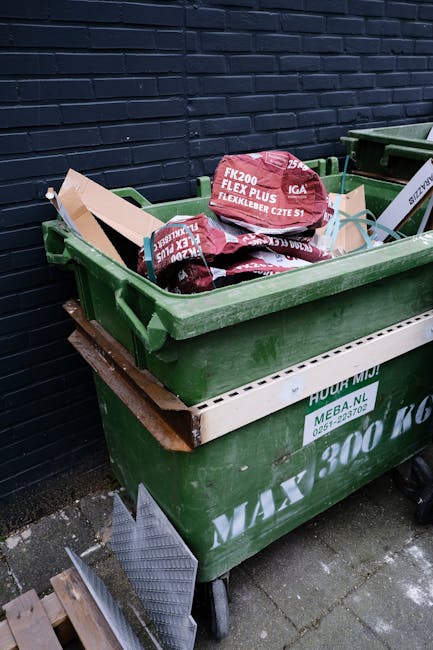
Willesden Green domestic rubbish collection guide NW10
If you live in Willesden Green and you're trying to make sense of domestic rubbish collection in NW10, you're not alone. A lot of households only think about waste when bags are piling up, a collection is missed, or a clear-out suddenly turns into a bigger job than expected. That's usually when the questions start: what can go in the bin, what needs a separate collection, what counts as bulky waste, and how do you avoid making a simple rubbish problem more expensive or more stressful than it needs to be?
This Willesden Green domestic rubbish collection guide NW10 is designed to give you a practical, human explanation of how household waste collection works, what to expect, and how to choose the right option for your situation. Whether you're dealing with a one-off spring tidy, regular household waste, or a move-out clear-up, the aim here is simple: help you get the job done cleanly, quickly, and without the usual headaches. And yes, a bit of local common sense goes a long way.
Quick takeaway: the best rubbish collection plan is the one that matches the type of waste, the amount you have, and how urgently it needs to go. That sounds obvious, but in practice it saves time, money, and a fair bit of faff.
For related support across nearby services, you may also find it useful to read about house clearance services, waste removal options, and bulky item collection if your rubbish pile is getting a bit out of hand.
Table of Contents
- Why Willesden Green domestic rubbish collection guide NW10 Matters
- How Willesden Green domestic rubbish collection guide NW10 Works
- Key Benefits and Practical Advantages
- Who This Is For and When It Makes Sense
- Step-by-Step Guidance
- Expert Tips for Better Results
- Common Mistakes to Avoid
- Tools, Resources and Recommendations
- Law, Compliance, Standards, or Best Practice
- Options, Methods, or Comparison Table
- Case Study or Real-World Example
- Practical Checklist
- Conclusion
- Frequently Asked Questions
Why Willesden Green domestic rubbish collection guide NW10 Matters
Domestic waste collection is one of those everyday services you barely notice when it's working well. Then the wheelie bin doesn't go out on time, a broken wardrobe leans in the hallway, and suddenly the whole place feels cluttered. In a busy area like Willesden Green, with its mix of flats, terraced homes, conversions, and shared access spaces, rubbish management affects more than appearance. It affects hygiene, access, neighbours, and even how calm your home feels at the end of the day.
Good rubbish collection matters because household waste is not all the same. A few bin bags from the weekly tidy-up are very different from old mattresses, garden cuttings, electrical items, packaging from a renovation, or the aftermath of a move. If you treat everything as one category, you can end up with missed collections, extra charges, or waste left outside longer than it should be. Nobody wants that, especially not on a damp London morning when bags are split and the pavement is already busy.
There's also the practical side. A clear domestic waste plan helps you:
- keep your property tidy and safer to move around in
- reduce odours, pests, and overflow during busy weeks
- avoid blocking communal paths, entrances, or shared bins
- deal with larger items before they become a nuisance
- choose the right service instead of guessing and hoping for the best
For householders, landlords, tenants, and letting agents, that clarity matters. If you also manage empty properties or end-of-tenancy clear-outs, our end-of-tenancy clearance service and landlord services pages may be helpful next steps.
How Willesden Green domestic rubbish collection guide NW10 Works
Domestic rubbish collection in NW10 usually falls into a few broad categories: routine household bin collection, bagged waste removal, bulky item collection, and one-off clearances for larger volumes. The right approach depends on what you're throwing away, how much of it there is, and whether it can be lifted safely and legally.
Most homes produce a predictable mix of waste: general rubbish, recycling, food waste where applicable, and occasional oversized items. But real life doesn't always stay neat. A broken sofa turns up after a delivery, the loft gets cleared before a renovation, or the spare room gets emptied because someone finally admits they've been storing "maybe useful" items for five years. Truth be told, that's how most jobs start.
In practical terms, the process often looks like this:
- Identify the waste type. Is it normal household rubbish, recyclables, bulky items, or mixed clearance waste?
- Check access. Can items be carried out easily, or will stairs, parking, or narrow hallways make the job more involved?
- Estimate volume. A few bags is one thing; a full room of items is another.
- Select the right service. Routine bin collection, one-off collection, or a fuller clearance solution.
- Prepare the waste properly. Separate sharp items, keep liquids sealed, and avoid mixing prohibited materials with domestic rubbish.
- Arrange collection. Confirm timing, access instructions, and any special handling needed.
This matters because waste handlers and householders both benefit when the job is organised properly. It keeps the collection safe, speeds things up, and lowers the chance of contamination or refusal. If you want a broader overview of related services, see same-day waste collection and furniture disposal.
A small but useful point: in shared blocks or maisonettes, waste often gets messy simply because people assume someone else will sort it out. That assumption, as you've probably guessed, doesn't age well.
Key Benefits and Practical Advantages
Using a proper domestic rubbish collection approach is not just about getting rid of things. It's about making your home work better. A tidy property feels easier to live in, easier to clean, and less mentally noisy. That may sound a bit soft, but it's true. Clutter has a way of bleeding into everything else.
Here are the main practical benefits:
- Less stress: You know where the waste is going and when it will leave.
- Cleaner living space: No lingering bags or items stacked in corners.
- Better hygiene: Reduced chance of smells, spills, and pest issues.
- Safer movement: Fewer trip hazards in hallways, stairs, and entrances.
- More efficient clear-outs: Ideal for moving house, decorating, or rearranging rooms.
- Less neighbour friction: Shared spaces stay clearer and more presentable.
There's another quiet advantage too: a well-planned collection helps you make decisions. Once you separate what needs keeping, donating, recycling, or disposing of, the job becomes less emotional. That old desk you thought you might restore? You may finally admit it was never going to happen. Happens to the best of us.
If you're dealing with mixed items from a broader property job, the guidance on our property clearance page can help you understand how bigger clear-outs are usually handled.
Who This Is For and When It Makes Sense
This guide is useful for a wide range of people in and around Willesden Green. If you live in a flat, manage a rental, or are just trying to clear household waste without turning it into a weekend project, you're in the right place.
It tends to make sense for:
- Homeowners clearing out old furniture, appliances, or everyday rubbish
- Renters preparing for a move, end of tenancy, or post-visit tidy-up
- Landlords needing quick, respectful waste removal between tenancies
- Letting agents managing properties that need a fast reset
- Families doing seasonal clear-outs or tackling household clutter
- Older residents or anyone who wants help lifting and removing heavy items safely
It also makes sense when the usual route is not enough. Perhaps the bin is full, the council collection doesn't cover the item, or you've got too much waste to manage in one go. That's often when a professional service becomes the sensible option rather than the flashy one.
And let's be honest, not every household has the time, vehicle, or back strength to drag a broken sofa through a narrow hallway at 7:30 on a weekday. No shame in that.
Step-by-Step Guidance
If you want to handle domestic rubbish collection in a way that is orderly and cost-aware, a simple process works best. You don't need a complicated system. You need a realistic one.
1. Sort the waste into clear groups
Start by dividing items into broad categories: general rubbish, recycling, bulky items, electricals, and anything that needs special handling. If you're not sure about a specific item, keep it separate until you can check. Mixing everything together creates more problems than it solves.
2. Remove anything reusable or recyclable
Before you book a collection, look for items that could be donated, reused, or recycled. A table with one broken leg may still have value to someone else, for example. Even small decisions here can reduce the amount of waste you pay to remove.
3. Check access and timing
Think about where the waste is stored and how it will get out. Is there lift access? Are there parking restrictions? Will the items need to pass through a shared hallway? These details matter more than people expect, especially in older London properties where space is a bit tight.
4. Confirm what the collection can take
Different services accept different materials. Some can handle mixed household waste and bulky furniture, while others may exclude hazardous items, paint, chemicals, or certain electrical goods. If in doubt, ask before the day arrives. That one phone call can save a lot of wasted effort.
5. Place items safely and clearly
If you're setting items aside for removal, keep them in a dry, accessible spot. Avoid blocking exits or communal areas. Sharp objects should be wrapped or boxed. Loose glass and leaking bags are the sort of detail people forget until there's a mess to deal with. Then it becomes everyone's problem.
6. Keep records if you're managing a property
For landlords or agents, it's wise to note what was removed, when, and by whom. That doesn't have to be formal or overdone. A clear record just helps avoid disputes later, which is quietly one of the best forms of customer service.
If your situation involves a bigger clear-out, you may also want to read about junk clearance and garage clearance for more practical handling advice.
Expert Tips for Better Results
Little choices make a big difference with rubbish collection. In our experience, the best outcomes usually come from sensible preparation rather than heroic last-minute effort.
- Keep waste dry where possible. Wet bags are heavier, messier, and less pleasant to handle.
- Flatten boxes and bulky packaging. It can reduce volume surprisingly quickly.
- Separate electricals early. Wires, chargers, kettles, and old small appliances are often forgotten.
- Don't overfill bags. Bags that split at the curb are a nuisance and can create additional cleanup.
- Plan around access windows. If your street gets busy at school run time or during evening parking pressure, aim earlier where possible.
- Ask about awkward items first. Mattresses, wardrobes, and broken desks can change the plan.
One small real-world observation: a household clear-out always seems to produce one strange item nobody remembers buying. A lamp with no bulb, a cable to a device long gone, a chair with mysterious wobble. Funny, really. A bit annoying too.
For awkward disposal situations, our appliance removal and mattress disposal pages offer useful next-step guidance.
Common Mistakes to Avoid
Most domestic rubbish problems are avoidable. The issue is rarely a lack of effort. It's usually a lack of planning. A few common mistakes show up again and again.
- Assuming everything can go in one bag or one collection. It often can't.
- Leaving rubbish in communal areas too long. This can create complaints and safety issues.
- Forgetting about prohibited materials. Paint, chemicals, and certain hazardous items need special handling.
- Underestimating the volume. A "small tidy-up" can turn into a full clearance very quickly.
- Not checking access. A collection plan that ignores parking or stair access can unravel fast.
- Waiting until the last minute. That's how stress and extra cost creep in.
Another common issue is simply losing sight of what's actually useful. Some items can be repaired, donated, or recycled rather than thrown away. If you're trying to reduce waste at source, that mindset is worth keeping.
Need a bit more structure for a wider property job? Our office clearance page can also be useful if you're dealing with mixed domestic and workspace items at home.
Tools, Resources and Recommendations
You do not need a van full of equipment to manage domestic rubbish well, but a few simple tools make life easier. Most of these are basic household items, which is convenient. No need to turn it into an expedition.
| Tool or Resource | Why It Helps | Best For |
|---|---|---|
| Strong refuse sacks | Reduces splitting and makes handling easier | General household rubbish |
| Box cutter or scissors | Helps flatten packaging and cut down bulky cardboard | Moves, deliveries, and clear-outs |
| Gloves | Protects hands from dirt, splinters, and sharp edges | Most clearance jobs |
| Marker labels | Keeps items organised and prevents mix-ups | Shared homes and larger properties |
| Access notes | Helps collectors or movers plan parking and entry | Flats, terraces, and narrow streets |
When choosing a collection service, look for clarity rather than jargon. A reliable provider should explain what they can take, what they cannot, how access is handled, and whether the job is suitable for a single visit or needs staging. That kind of transparency is usually worth more than a flashy headline.
If you want to compare service types, the pages on household waste removal and garden waste removal may also help you narrow things down.
Law, Compliance, Standards, or Best Practice
Waste disposal in the UK sits within a framework of environmental responsibility and practical duty of care. You do not need to become a legal expert to manage your household rubbish sensibly, but you do need to avoid careless disposal. That applies whether you're a homeowner, tenant, landlord, or agent.
At a household level, best practice means making sure waste is presented safely, separated where necessary, and handed to a legitimate collector or route. Some items may need special treatment, especially electrical equipment, sharp objects, or anything classed as hazardous. If you're unsure, it is always better to check before moving the item into the wrong pile.
A few sensible compliance habits include:
- never leaving waste where it could obstruct access or create a hazard
- not mixing general rubbish with items that need specialist disposal
- using a reputable collection route for bulky or mixed waste
- keeping proof or notes for property management records where relevant
- being cautious with batteries, chemicals, and electrical goods
For landlords and managing agents, proper waste handling is part of keeping the property presentable and reducing avoidable disputes. For households, it's mostly about safety, convenience, and not creating a problem for your neighbours. Simple, really, but it does make a difference.
Options, Methods, or Comparison Table
There is no single right way to deal with domestic rubbish in Willesden Green. The best option depends on urgency, volume, item type, and access. Here's a simple comparison to make the decision easier.
| Option | Best For | Strengths | Watch Outs |
|---|---|---|---|
| Routine household bin collection | Regular everyday waste | Simple, predictable, usually low effort | Limited capacity, not suitable for bulky items |
| Bagged waste collection | Extra household rubbish or overflow | Fast and convenient | Needs proper bagging and access |
| Bulky item collection | Furniture, mattresses, large items | Ideal when items won't fit in normal waste streams | Some items may need special handling |
| Full property clearance | Moves, refurbishments, end-of-tenancy jobs | Handles larger, mixed volumes efficiently | Usually needs more planning and access coordination |
If your job is small, keep it simple. If it's grown into a whole-room or whole-flat clear-out, don't force it into a "quick rubbish job" shape. That's how people waste time. You may also want to review our single item collection service if you only have one awkward object to remove.
Case Study or Real-World Example
Here's a realistic example that shows how this all comes together.
A family in NW10 had been slowly stacking items in a spare room: a broken bedside table, two bags of mixed household rubbish, some cardboard from new storage furniture, an old vacuum cleaner, and a mattress that had been moved twice but never dealt with. Not dramatic. Just the sort of domestic build-up that happens when life gets busy.
At first glance, they thought it would be a simple bin-day job. But once they looked properly, they realised the waste fell into several categories. The cardboard could be flattened, the vacuum needed separate handling, and the mattress and furniture would not fit normal household bins. They grouped everything in advance, cleared the hallway, and checked access to the property so nothing had to be moved twice.
The result was not just a quicker collection. The room felt immediately larger, lighter, and easier to use. That is the part people often underestimate. The physical waste is one thing, but the mental relief of clearing it is something else entirely. You can almost hear the room breathing again.
If you are dealing with a similar situation, the wider advice on residential clearance may help you plan the job without overcomplicating it.
Practical Checklist
Use this checklist before arranging domestic rubbish collection in Willesden Green. It keeps the job straightforward and reduces the chance of surprises on the day.
- Sort items into general waste, recycling, bulky items, and anything special
- Remove anything you want to donate, reuse, or keep
- Check whether any items need separate treatment
- Estimate how much waste there is in bags, boxes, or large pieces
- Confirm access via stairs, lifts, parking, or shared entrances
- Make sure items are safe to move and not leaking or broken open
- Flatten cardboard and bundle loose lightweight materials
- Keep sharp or hazardous materials apart from general rubbish
- Decide whether you need a one-off collection or a fuller clearance
- Set a clear time and place for collection
If you can tick most of these off, you're already ahead of the game. Small effort upfront, less hassle later. That's usually how the best jobs go.
Conclusion
Managing household waste in Willesden Green does not need to be complicated. The real trick is matching the right collection method to the waste you actually have, not the waste you hoped you had. Once you sort by type, check access, and choose a sensible route, the whole process becomes much easier to handle.
This Willesden Green domestic rubbish collection guide NW10 has covered the essentials: why it matters, how it works, what to avoid, and how to make better decisions for your home or property. Whether you're clearing a few bags or dealing with a larger load, the right approach saves time and gives you a cleaner, calmer space.
Get a free quote today and see how much you can save.
And if you are standing in the hallway looking at a pile of things you meant to sort last month, don't worry. Start with one bag, one corner, one decision. That is usually enough to get the momentum going.
Frequently Asked Questions
What is included in domestic rubbish collection in Willesden Green?
Domestic rubbish collection usually covers household waste such as bin bags, packaging, unwanted items from a clear-out, and sometimes bulky items like furniture or mattresses. What is included depends on the service you choose and the type of material involved.
Can I put bulky items out with normal household rubbish?
Usually not. Bulky items often need a separate collection because they are too large for standard bins or require special handling. It is best to arrange the right service in advance rather than leaving items out and hoping for the best.
How do I know if my waste needs special disposal?
If the item is hazardous, sharp, electrical, leaking, or potentially harmful, it may need separate treatment. Common examples include paint, chemicals, batteries, and some electrical goods. If you are unsure, ask before disposal.
Is domestic rubbish collection suitable for end-of-tenancy clear-outs?
Yes, in many cases it is. End-of-tenancy jobs often involve mixed household waste, furniture, and items left behind. A more comprehensive clearance service may be better if the property has a large amount of waste.
What should I do before a rubbish collection arrives?
Sort your waste, flatten cardboard, separate special items, and make sure access is clear. It also helps to check parking, stairs, and entry points, especially in flats or shared buildings.
Can I mix recycling and general rubbish together?
It is better not to. Mixing waste can reduce recycling value and may cause the collection to be less efficient. Separate items where possible, even if it only takes a few extra minutes.
How much waste can be collected in one visit?
That depends on the service, the item types, and access conditions. Some jobs are suitable for a few bags or one item, while others are better handled as a full clearance. A quick description of the load usually helps determine the best option.
Do I need to be present during collection?
Sometimes yes, sometimes no. It depends on the access arrangements and what is being removed. For properties with shared entrances or secure access, being present can make things smoother.
What happens if I leave rubbish in a communal hallway?
It can create safety issues, block access, and lead to complaints from neighbours or building management. In shared properties, waste should be kept tidy and moved only in line with the agreed collection plan.
Is it worth arranging a collection for just one item?
If the item is awkward, heavy, or hard to dispose of properly, yes, it can be worth it. A single mattress, sofa, or appliance can be more trouble than a few bags of rubbish, so the value is often in convenience and safety.
How do landlords benefit from proper domestic rubbish collection?
Landlords benefit from faster turnarounds, cleaner properties, fewer complaints, and a better presentation between tenancies. It also helps keep clear records and avoids wasted time chasing leftover waste after a tenant leaves.
What is the best way to reduce rubbish at home?
Buy less packaging where possible, reuse storage containers, donate usable items, and clear clutter regularly before it builds up. Small habits make a real difference. Nothing glamorous, just steady and practical.
Where can I get help if my waste situation is more complicated than expected?
If your waste includes mixed materials, bulky items, or property-clearance level clutter, a professional collection or clearance service is often the simplest route. It can save time, reduce lifting, and help you avoid mistakes with disposal.