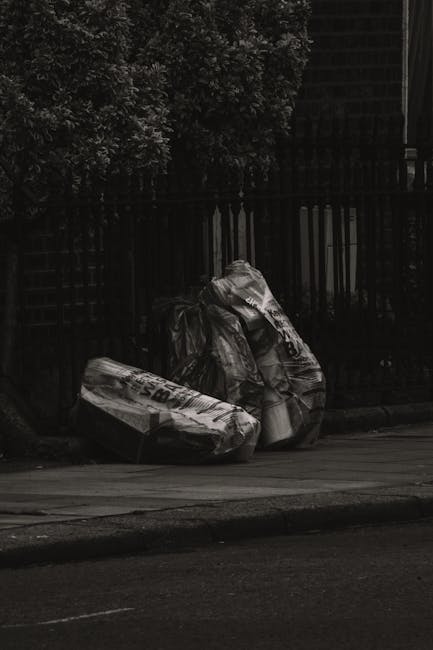
Roundwood Park recycling hubs and bulky rubbish guide Willesden
If you live in Willesden and you have a sofa blocking the hallway, a broken wardrobe waiting by the wall, or a stack of bags that will not fit in the wheelie bin, this guide is for you. The Roundwood Park recycling hubs and bulky rubbish guide Willesden is designed to help you understand your options, avoid common mistakes, and choose the most practical route for getting rid of household waste without turning the whole job into a weekend headache.
Truth be told, bulky waste is one of those jobs people keep putting off. Then suddenly the spare room looks like a storage unit and the front path is cluttered with old stuff nobody wants. The good news is that with a bit of planning, you can handle it neatly, safely, and usually faster than you think. This article walks you through how local recycling hub use typically works, what counts as bulky rubbish, how to prepare items, and when it makes sense to use a removal service instead.
Along the way, you will also find practical tips, a comparison table, a checklist, and some realistic local guidance for everyday London life. If you need broader help with waste planning, you may also find the waste removal service options page useful, or the rubbish removal overview if you are trying to understand the difference between general rubbish and more awkward household items.
Let's make the whole thing a bit less stressful.
Table of Contents
- Why Roundwood Park recycling hubs and bulky rubbish guide Willesden Matters
- How Roundwood Park recycling hubs and bulky rubbish guide Willesden Works
- Key Benefits and Practical Advantages
- Who This Is For and When It Makes Sense
- Step-by-Step Guidance
- Expert Tips for Better Results
- Common Mistakes to Avoid
- Tools, Resources and Recommendations
- Law, Compliance, Standards, or Best Practice
- Options, Methods, or Comparison Table
- Case Study or Real-World Example
- Practical Checklist
- Conclusion
- Frequently Asked Questions
Why Roundwood Park recycling hubs and bulky rubbish guide Willesden Matters
Waste in a busy area like Willesden can get messy quickly. Flats have limited storage, terraces fill up at the back door, and one large item can block the flow of an entire home. That is why a clear local guide matters. It helps you make sensible decisions before rubbish becomes a nuisance, a safety issue, or an eyesore.
Recycling hubs and bulky rubbish services do slightly different jobs. A recycling hub is generally for sorted items you can drop off yourself, such as materials that can be separated and processed. Bulky rubbish, by contrast, usually refers to larger items that need special handling because they are too large, too awkward, or too heavy for normal household collection. Knowing the difference saves time, reduces rejected loads, and avoids a lot of frustration.
There is also a neighbourhood angle here. In places like Willesden, where streets can be narrow and parking can be tight, leaving items in the wrong place or on the wrong day can create problems fast. Nobody wants a mattress sitting by the pavement for days in damp weather. It smells, it looks bad, and it can attract fly-tipping. Not ideal, to put it mildly.
If you are comparing disposal routes for a house clearance, a home move, or a post-renovation clear-out, it can help to look at related services too. For instance, some readers start with a simple house clearance service when they have a full-property job, or a more targeted office clearance solution if they are clearing desks, chairs, and mixed office furniture. The right route depends on volume, item type, and how much lifting you want to do yourself.
Practical takeaway: the better you understand your waste type before you start, the easier it becomes to choose between self-drop-off, booked collection, or a managed clearance.
How Roundwood Park recycling hubs and bulky rubbish guide Willesden Works
At a simple level, the process is about sorting your waste into the right channel. Some items may go to a recycling hub if they are accepted, clean enough, and prepared properly. Other items are better handled as bulky waste through a collection or clearance service, especially if they are heavy, mixed-material, or difficult to transport safely.
What recycling hubs usually handle
While acceptance rules can vary, recycling hubs commonly deal with separated materials rather than mixed household clutter. Think in terms of categories: wood, metal, cardboard, certain plastics, garden waste, and small electrical items may be accepted in some settings. The key point is that the material should usually be sorted and ready to go. If an item is broken down into components, it may be easier to place in the correct stream.
For example, an old bedside table might become wood panels, fixings, and perhaps a small metal handle. That is a lot easier to process than a single lump of mixed, damp, half-collapsed furniture shoved into the boot after a rushed Saturday morning. We have all seen that sort of thing, and it rarely ends well.
What counts as bulky rubbish
Bulky rubbish is the stuff that exceeds normal bin capacity or is just too awkward to bag. Common examples include:
- sofas and armchairs
- mattresses and bed frames
- wardrobes, bookcases, and shelving
- tables, desks, and cabinets
- large appliances, where accepted
- broken furniture from moves or refurbishments
- mixed household items that are too large to carry out in ordinary waste sacks
Sometimes a single bulky item is all you need to deal with. Other times, a few pieces turn into a full room clear-out. That is when a planned route matters most.
How the local process usually unfolds
- Identify the item type. Separate reusable, recyclable, and general waste where possible.
- Check access. Measure doorways, stair turns, and lift access if a collection or removal is planned.
- Decide the method. Choose hub drop-off, booked bulky collection, or managed clearance.
- Prepare the items. Remove loose contents, bag small bits, and disassemble what you safely can.
- Move the waste responsibly. Keep pathways clear and avoid leaving items where they could obstruct neighbours or passers-by.
If you are not sure whether a job is too much for a solo trip to a recycling hub, that is usually a good sign to pause and think. A sofa is one thing. A sofa plus a fridge plus three bags of offcuts and a broken shelving unit? That is where a proper collection can save your back, and probably your patience too.
Key Benefits and Practical Advantages
Using the right disposal route for bulky rubbish in Willesden brings a few obvious benefits, but the less obvious ones are often the most valuable.
- Less clutter at home. A cleared room feels bigger almost instantly. You notice the floor space first, then the light.
- Safer movement around the property. Fewer trip hazards means fewer accidents, especially in hallways and on stairs.
- Better recycling outcomes. Sorting items correctly can improve the chance that reusable materials are recovered rather than wasted.
- Lower stress. A structured plan beats the vague "I'll deal with it later" approach every time.
- More control over timing. You can align disposal with a move, renovation, tenancy handover, or spring clean.
- Cleaner kerbside presentation. This matters in shared streets where overspill can quickly become a neighbour issue.
There is also a practical money angle. Even when the direct cost is not the first thing people think about, poor planning often creates hidden costs: extra trips, missed collections, damaged items, or having to hire transport at short notice. Better planning usually saves money somewhere, even if only through time and fewer headaches.
For businesses or landlords, the benefits are even clearer. A tidy clear-out can help a property look presentable before viewings, handovers, or refurbishments. If your project involves a larger mixed load, the commercial waste removal page may help you think through the more structured side of the job.
Who This Is For and When It Makes Sense
This guide is for anyone in or around Willesden who has waste that does not fit neatly into a regular weekly bin routine. That could be a homeowner, tenant, landlord, letting agent, tradesperson, or business owner. Different people have different pressures, but the decision-making pattern is similar.
Typical situations where bulky rubbish guidance helps
- Moving house: old furniture often needs to go before completion day or before keys are handed over.
- End of tenancy: tenants may need to clear furniture quickly and leave the space tidy.
- Renovation: old units, flooring offcuts, and damaged items can pile up fast.
- Replacing appliances: a new purchase can leave the old item stranded in a hallway if you do not plan ahead.
- Estate or house clear-outs: these jobs are emotional and physically demanding, and they usually involve a mix of item types.
- Office or workspace refreshes: desks, chairs, filing, and mixed rubbish often need a coordinated removal.
Sometimes the decision is not about whether you can move the item yourself. It is about whether you should. A heavy wardrobe on a wet staircase is not the sort of challenge you want to improvise with. Honestly, that is how minor mishaps become a long afternoon and a sore shoulder.
If your job is more about freeing up space after a major clear-out, related help such as garage clearance or garden waste removal may also fit the picture, especially where the clutter is mixed and the items are awkward to sort one by one.
Step-by-Step Guidance
Here is the simplest way to approach the job without overcomplicating it.
1) Walk the space first
Before touching anything, look at the whole pile. What is genuinely bulky, what is recyclable, and what is just mixed household waste? That first pass often changes the plan. A broken chest of drawers might be better taken apart. A stack of cardboard may be simpler than it looks. The room tells you the story if you stop and look for a minute.
2) Separate items by type
Group materials into sensible piles:
- wood
- metal
- cardboard
- textiles
- small electrical items
- general rubbish
- reusable items
This is not about making the process perfect. It is about making it manageable. Even a rough sort is better than a single mixed heap.
3) Measure and check access
If a bulky item needs to go downstairs, through a narrow hallway, or out of a flat with a tiny lift, measure it. That sounds obvious, but it is one of the most common missed steps. Door frames, stair turns, parking access, and time of day can all affect whether a removal is easy or annoying.
4) Decide whether to disassemble
Some items are much easier to deal with if they are broken down safely first. Flat-pack furniture, old shelving, and some bed frames often become easier to move once separated. Use basic hand tools if you are confident. If not, do not force it. A stubborn screw does not deserve a battle.
5) Choose the best disposal route
At this point, you are deciding between self-drop-off at a recycling hub, a booked bulky waste collection, or a full service removal. If the load is small and sorted, a hub may suit. If the item is huge, heavy, or you cannot transport it safely, a collection is often the better option.
6) Keep the area clear and safe
Move items in stages, not in a panic. Clear the path, wear sensible shoes, and do not leave sharp or unstable pieces where someone could trip. A quick sweep at the end helps too. Small bits and screws are easy to miss, especially on dark floors.
Expert Tips for Better Results
Small habits make a big difference here. The people who handle bulky waste well are rarely doing anything magical. They are just avoiding the obvious friction points.
- Do the light work first. Remove loose contents, cushions, drawers, and detachable shelves before moving the main item.
- Keep a bag for fixings. Put screws and brackets into one labelled bag so nothing gets lost or left behind.
- Protect walls and floors. Old blankets or cardboard under corners can prevent scuffs when moving furniture.
- Use a two-person lift for awkward items. If something twists in your hands, stop and reset.
- Plan for the return journey. If you are using a vehicle, think about how you will unload before you set off.
- Do not mix everything together. Once recyclables, general waste, and reusable items are blended, the job becomes slower and less efficient.
A small but useful tip: keep a bin bag and a cloth in the car if you are making a drop-off run. It sounds minor, but it helps when you realise there is dust, soil, or loose debris everywhere. Little things, you know, the ones people only remember once they are already parked.
If you are dealing with a broader property clean-up, the builder waste removal page may be helpful where renovation offcuts, plasterboard-like materials, or mixed debris are involved. Just remember that not all materials can be treated the same way, so check the item type before loading up.
Common Mistakes to Avoid
Most problems with bulky rubbish are preventable. The same handful of mistakes crop up again and again.
1) Leaving it until the last minute
Rushed disposal leads to poor sorting, poor lifting, and poor decisions. Then the weather changes, or the collection time slips, and suddenly the item is sitting out longer than planned.
2) Assuming all waste is accepted the same way
This is a big one. A recycling hub may accept one type of item but not another. Some items need special handling, especially if they are electrical, contaminated, or made from mixed materials that are hard to separate.
3) Overfilling a vehicle
If you are self-transporting, do not cram items in so tightly that unloading becomes dangerous. A wobbling load is bad news on London roads, and it only takes one awkward turn to make the whole thing messy.
4) Ignoring access problems
People often focus on the item and forget the route. Stairs, lifts, tight corners, parking restrictions, and building entry rules all matter.
5) Forgetting reusable value
Not everything old is waste. A chair, table, or cabinet in decent condition may be suitable for reuse, donation, or resale. If you skip that step, you may be throwing away something with a second life.
6) Not separating sharp or hazardous bits
Broken glass, exposed nails, and damaged fittings can injure whoever handles the waste next. A few minutes of wrapping or bagging is worth it.
To be fair, nobody gets every clear-out perfect. But the fewer surprises you leave for yourself, the smoother the job becomes.
Tools, Resources and Recommendations
You do not need a van full of fancy equipment to manage bulky rubbish well. A few sensible tools go a long way.
| Tool or resource | Why it helps | Best for |
|---|---|---|
| Work gloves | Helps protect hands from splinters, rough edges, and dirt | Furniture, garden waste, mixed clear-outs |
| Strong bin bags | Makes loose rubbish easier to carry and sort | Small waste, odd bits, packaging |
| Screwdriver set | Useful for disassembling safe-to-break-down furniture | Flat-pack units, shelving, bed frames |
| Measuring tape | Helps check access through doors, lifts, and stairs | Bulky item planning |
| Marker pen and labels | Keeps reusable, recyclable, and general waste separate | House clear-outs, storage sheds, garage jobs |
| Protective blankets or cardboard | Reduces scuffs when moving items through tight spaces | Indoor removals, stairwells, hallways |
When you are sorting out a larger job, it can also help to look at service pages that match the type of load you have. For instance, a mixed domestic clear-out may sit closer to flat clearance, while a property with a lot of outdoor debris may be better aligned with loft clearance or another targeted removal option. The value is not in the label alone. It is in matching the service to the actual job.
Expert summary: the best tools are the ones that reduce lifting, sorting mistakes, and last-minute panic. Simple, but effective.
Law, Compliance, Standards, or Best Practice
Waste handling in the UK is not something to treat casually. You do not need to become a compliance expert just to clear a sofa, but you should understand the basics of responsible disposal and the usual expectations around household waste.
In practical terms, that means:
- using approved disposal routes rather than leaving items in unauthorised places
- avoiding fly-tipping or roadside dumping, which can create real legal and environmental problems
- making sure electrical and mixed waste are handled appropriately
- keeping access routes safe for residents, workers, and passers-by
- checking local acceptance rules before taking items to a recycling point
Best practice is often simple common sense, but it still matters. For example, if a bulky item contains sharp edges or broken components, it should be wrapped or handled carefully so nobody is put at risk. If items are left on the street, they should only be there through a legitimate service arrangement and for the correct collection window. Otherwise, you can end up causing problems for neighbours and the wider area.
For landlords, businesses, and managing agents, there is also a duty to keep waste storage areas orderly and ensure the right service is used for the right material. That is not just about tidiness. It is about reputation, safety, and avoiding avoidable disputes.
The safest rule? If you are unsure, pause and check the route before moving the item. A minute of caution beats a morning of hassle.
Options, Methods, or Comparison Table
Choosing between disposal methods is easier once you compare them side by side. There is no one-size-fits-all answer, and that is fine. The best option depends on item size, access, time, and how much work you want to do yourself.
| Method | Best for | Pros | Watch-outs |
|---|---|---|---|
| Recycling hub drop-off | Sorted recyclable materials and manageable loads | Good for separation, can suit small DIY clear-outs | Requires transport, lifting, and correct sorting |
| Bulky waste collection | Large household items like sofas, beds, and wardrobes | Less manual handling, convenient for awkward items | May need booking and item preparation |
| Full clearance service | Large, mixed, or time-sensitive jobs | Fast, structured, less physical effort for you | Usually most suitable when there is a lot to remove |
| Reuse or donation route | Items in decent condition | Extends item life, reduces waste | Only suitable when condition is genuinely good |
In practice, many people use more than one method. You might donate a chair, take cardboard to a recycling point, and book a collection for a damaged mattress. That mixed approach is often the smartest. A bit of this, a bit of that. Very normal.
Case Study or Real-World Example
Here is a realistic example from a typical Willesden-style clear-out. A couple in a first-floor flat had just finished replacing bedroom furniture. They had an old wardrobe, a broken bed base, several bags of packaging, and an office chair that was beyond repair. At first, they thought they could fit everything into one car trip and take it all in one go.
Once they measured the wardrobe panels and looked at the stairwell, the plan changed. The larger pieces were too awkward to carry safely, so they split the job. Recyclable cardboard and smaller bits were sorted first. The bed base was dismantled. The wardrobe sections were handled separately. Then they arranged a collection for the bulky item that was too large to move without risk.
The result was simple: the flat was cleared the same day, the route through the hallway stayed safe, and nothing ended up left outside for days. More importantly, they avoided the classic mistake of forcing everything into one rushed run.
That kind of scenario is very common. The exact items change, but the pattern stays the same. The people who plan a little usually finish earlier than the people who try to "just get it done" in one aggressive burst. Funny how that works.
Practical Checklist
Use this before you move anything.
- Have I identified what is recyclable, reusable, and general waste?
- Do I know whether any item needs special handling?
- Have I measured access routes, doors, stairs, and vehicle space?
- Do I have gloves, bags, labels, and basic tools ready?
- Have I checked whether the item can be safely dismantled?
- Is there enough help for anything heavy or awkward?
- Have I chosen the right disposal route for the volume and item type?
- Have I cleared the area so the move will be safe?
- Do I know what needs to happen after disposal, such as cleaning the space?
- Have I set aside time so I am not rushing at the end?
If you can tick most of those off, you are in good shape. If not, stop and reset before you lift anything heavy. That small pause saves a lot of trouble.
Conclusion
Sorting out bulky rubbish in Willesden does not have to feel like a massive project. Once you understand how local recycling hubs fit into the picture, and when a bulky item is better handled through collection or clearance, the whole task becomes far more manageable. The key is to sort early, lift safely, and choose the route that matches the actual waste in front of you rather than the route that just seems quickest in the moment.
Whether you are dealing with one awkward item or a full room of clutter, a calm, structured approach will save time and reduce stress. And yes, a little planning up front can make the difference between a smooth morning and a truly annoying one.
If you are ready to take the next step, compare your options, check your access, and choose the disposal method that fits your situation best. The right decision now usually makes the whole day easier.
Get a free quote today and see how much you can save.
Frequently Asked Questions
What counts as bulky rubbish in Willesden?
Bulky rubbish usually means items that are too large, heavy, or awkward for normal household bins. Common examples include sofas, mattresses, wardrobes, tables, and broken furniture.
Can I take bulky items to a recycling hub myself?
Sometimes, yes, if the items are accepted, properly sorted, and you have safe transport. The main issue is usually access and lifting, so check the item type and your ability to move it safely first.
Is it better to use a recycling hub or a bulky waste collection?
It depends on the load. Recycling hubs suit sorted materials and smaller drop-offs, while bulky waste collections are usually better for large household items that are hard to transport.
Do I need to dismantle furniture before disposal?
Not always, but breaking items down can make them easier to move and may help if access is tight. Only dismantle items you can safely take apart without forcing anything.
What should I do with a mattress or sofa?
These are classic bulky items and are often best handled through a collection or clearance service if you cannot transport them safely. Keep them dry and avoid leaving them outside longer than necessary.
Can I mix recyclables with general rubbish?
You can, but it is usually not a good idea. Mixing materials makes it harder to recycle and may reduce what can be recovered. A quick sort at the start is worth the effort.
How do I know if an item is reusable instead of waste?
If it is structurally sound, clean enough, and still functional, it may be reusable. Chairs, tables, and storage units often have a second life if they are in decent condition.
What if I live in a flat with no lift?
Access becomes the main challenge. Measure stair turns and think carefully about whether you can move the item safely. In many cases, a professional removal option is easier and less risky.
Are there items I should not place with ordinary bulky rubbish?
Yes. Some electrical items, hazardous materials, and contaminated waste need special handling. If in doubt, check the item type before disposal rather than guessing.
How can I avoid common mistakes when clearing waste?
Start early, separate items by type, check access, and choose the right disposal method. Most mistakes happen when people rush or assume every item can be handled the same way.
Will a full clearance service be worth it for a small job?
Sometimes it is, especially if the item is heavy, access is poor, or you have no vehicle. The value is not just in the amount removed, but in the time and effort saved.
What is the safest way to move large items through a home?
Clear the route first, use two people where needed, protect corners and floors, and stop if the item becomes unstable. Slow and steady is usually quicker than forcing it.
If your clear-out feels bigger than expected, that is normal. Start with one pile, one room, one decision at a time. It really does get easier once the first step is taken.