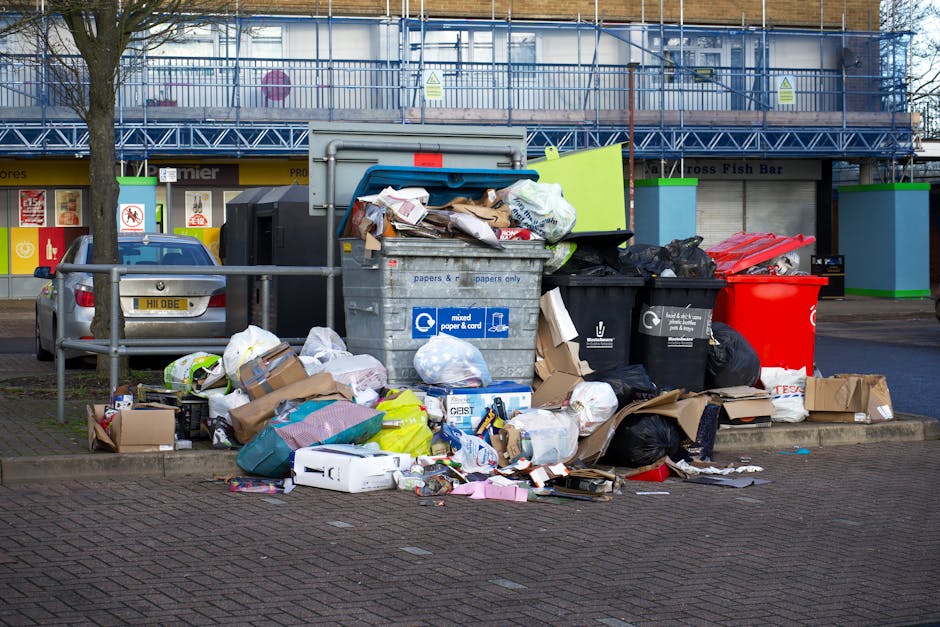
Brent council rules for Willesden household rubbish disposal
If you live in Willesden, rubbish disposal sounds simple until it isn't. One bag turns into a pile, a broken chair sits by the door, and suddenly you are trying to work out what Brent expects, what the council will take, what needs sorting, and what could get you into trouble. The Brent council rules for Willesden household rubbish disposal are there to keep streets cleaner, collections smoother, and neighbours a little happier. Fair enough. But the rules are much easier to follow when they are explained in plain English.
This guide breaks everything down clearly: what the rules mean, how to separate household waste, what to do with bulky items, how to avoid missed collections, and when a private clearance service may be the more sensible route. You will also find a practical checklist, a comparison table, and a few real-world examples from the kind of situations people actually run into. Let's make the whole thing less annoying.
Why Brent council rules for Willesden household rubbish disposal Matters
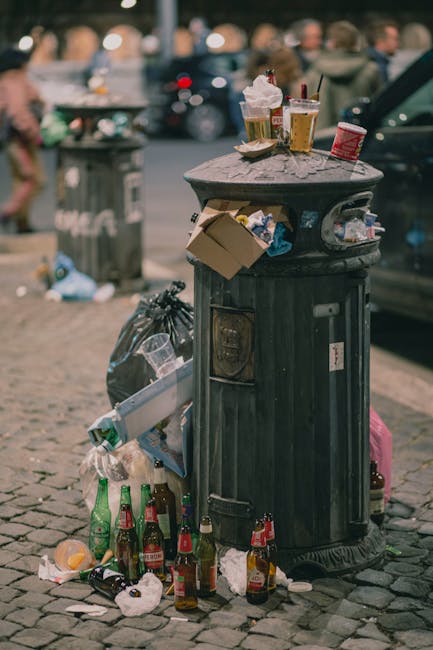
Household waste rules are not just paperwork or council jargon. In a place like Willesden, where streets can be busy, homes are close together, and bin storage is often tight, getting disposal right helps keep everything moving. If rubbish is left out early, mixed incorrectly, or dumped in the wrong place, it quickly becomes a visible problem. Wind scatters loose items, gulls have a field day, and by the next morning the front pavement can look grim. Nobody wants that.
The rules matter for three practical reasons. First, they help ensure your waste is collected. Second, they reduce the risk of fly-tipping or contamination. Third, they protect you from the kind of awkward situations that happen when a neighbour complains or a collection is refused. The more you understand the rules, the less likely you are to have waste sitting around for days because one bag in the wrong place ruined the lot. Happens more than people think.
There is also a cost angle. Waste that is sorted properly is easier to dispose of responsibly, whether you are using your council collection, a booked bulky waste service, or a professional clearance team. If you are dealing with a bigger clear-out, services like house clearance or home clearance can be a practical backup when the usual bin system is not enough.
How Brent council rules for Willesden household rubbish disposal Works
The basic idea is straightforward: different types of waste should be placed in the right containers and presented in the right way for collection. That usually means separating everyday rubbish from recycling, keeping food waste where required, and handling large items separately rather than trying to squeeze them into wheelie bins. Simple in theory. A bit less simple when your recycling caddy is already full and the broken toaster is taking up space in the hallway.
Most households need to think about four main categories:
- General household rubbish: non-recyclable items that go into the residual waste bin or sack system used by the property.
- Recycling: clean, dry items such as paper, cardboard, cans, and certain plastics, depending on local guidance.
- Food waste: if collected separately, this should be kept free from other waste and packaged as instructed.
- Bulky or special items: furniture, white goods, renovation debris, and similar items usually need a separate collection method.
That separation is the heart of the matter. Mix food scraps into recycling and you may contaminate a whole batch. Leave garden clippings in the wrong bin and collection crews may refuse it. Put a mattress next to the wheelie bin and it might be treated as side waste or left behind. Councils are usually consistent about this: if the waste does not match the collection type, it is your job to fix it.
For larger clearances, many people compare council options with professional support. If the job includes old sofas, wardrobes, loft clutter, or garage junk, a dedicated service such as furniture disposal or garage clearance may save a lot of lifting, sorting, and second-guessing.
Key Benefits and Practical Advantages
Following the local rules brings more than just compliance. It makes the whole household run a bit better. Not glamorous, but true.
- Cleaner kerb appeal: rubbish is less likely to spill, smell, or attract pests.
- Fewer missed collections: properly sorted waste is much less likely to be rejected.
- Less stress on collection day: you know what goes where, so there is less last-minute scrambling.
- Better recycling outcomes: clean sorting means more material can be reused rather than disposed of.
- Lower risk of complaints: especially important in terraces, flats, and shared entrances.
- Safer handling of bulky waste: the right disposal route reduces the chance of injuries or blocked communal areas.
For landlords, letting agents, and busy households, there is another benefit: consistency. If everyone in the property knows the system, the bins stop turning into a mystery. That sounds small, but it makes a real difference over time.
Expert summary: The safest approach is to treat waste disposal as a routine household task, not an afterthought. Sort it early, store it neatly, and choose the right route for bulky or awkward items. Small habits prevent big messes.
Who This Is For and When It Makes Sense
This guide is for anyone in Willesden who wants to avoid disposal mistakes and keep household waste under control. That includes tenants, homeowners, landlords, family households, and people clearing a property after a move or bereavement. It is also useful for anyone looking at a mix of council collection and private help. Truth be told, that mix is often the realistic answer.
You will find this especially relevant if:
- you have more rubbish than the standard bins can take;
- you are moving house and need a clear-out before handover;
- you live in a flat with limited storage or shared bins;
- you are dealing with furniture, old appliances, or clutter from a loft or garage;
- you want to avoid leaving items on the street and risking a complaint;
- you need a faster turnaround than a normal collection schedule allows.
It also makes sense if you are trying to decide between council services and a private collection. For example, a one-off sofa plus a few bags may fit one route better than another. A full property clear-out is a different story, and services like flat clearance or loft clearance may be more practical than trying to piece it together yourself.
Step-by-Step Guidance
If you want to stay on the right side of Brent council rules for Willesden household rubbish disposal, a simple process works best. Do this in order and you will save yourself a lot of hassle.
- Identify the waste type. Separate general rubbish, recycling, food waste, garden material, and bulky items. If something is reusable, consider keeping it out of the bin stream altogether.
- Check what the property uses. Flats, houses, and shared buildings may have different bin arrangements. Do not assume the neighbour's system is yours too.
- Break down large items where safe. Flatten cardboard, collapse packaging, and dismantle minor items only if it can be done safely. No one needs a wobbly DIY project with a saw in the kitchen.
- Keep waste inside until collection day. Do not put items out too early unless the collection instructions clearly allow it.
- Place bins in the agreed collection spot. This is often at the boundary or communal collection point, not halfway down the pavement.
- Remove bins after collection. Leaving them out can obstruct pedestrians and can create unnecessary attention from neighbours.
- Arrange a separate route for bulky items. If the item will not fit the normal system, use a bulky waste collection or a professional removal service.
A practical example: if you have a broken table, old duvets, food packaging, and a pile of takeaway containers, do not just dump everything into one bag and hope for the best. Sort the recyclables, bag the residual waste, and deal with the table separately. It takes a few extra minutes. It saves a lot of back-and-forth.
Expert Tips for Better Results
Here is the part people often skip, then regret later. Small habits make disposal much easier.
- Keep a "waste staging" area: even a corner of the hallway or utility space helps you sort items before bin day.
- Rinse recyclables lightly: not spotless, just clean enough that they do not smell or contaminate other material.
- Do one room at a time: this stops mixed waste from creeping into every bag.
- Photograph bulky items before booking help: useful when you are deciding whether you need a simple collection or a full house clearance.
- Separate sharps and broken glass carefully: wrap them securely and label if needed so nobody gets an unpleasant surprise.
- Plan around move-out days: a last-minute pile near the front door looks chaotic fast, especially in shared blocks.
And one more thing. If you are unsure whether something belongs in the bin, pause and check before you toss it in. That one little pause can stop contamination, smell, and a rejected collection. It is annoyingly simple, which is probably why people forget it.
Common Mistakes to Avoid
Most problems with household rubbish disposal in Willesden come from a handful of predictable mistakes. Easy enough to avoid once you know them.
- Putting the wrong material in recycling: greasy containers, dirty packaging, and mixed waste can spoil the load.
- Leaving bags beside the bin: side waste is often not collected and may be treated as non-compliant.
- Putting bulky items out too early: this can create obstruction issues and attract unwanted attention.
- Overfilling bins: lids should close properly. If they cannot, the collection may not happen.
- Assuming shared bin rules are obvious: in flats, what seems obvious to one resident may confuse another.
- Mixing renovation waste with household rubbish: plaster, rubble, and heavy construction debris usually need a separate solution such as builders waste clearance.
A lot of avoidable mess comes from "I'll deal with it later." Later often becomes Tuesday morning, a strong smell, and a bin lid that will not shut. Not ideal.
Tools, Resources and Recommendations
You do not need a fancy setup to keep on top of waste. A few ordinary tools are enough.
- Clearly labelled bins or bags for different waste streams.
- Heavy-duty bin liners for residual rubbish.
- A basic hand cart or sack truck if you regularly move items between storage and collection point.
- Reusable boxes or crates for sorting cardboard and packaging.
- Protective gloves for sharp or awkward items.
- Access to a trusted clearance provider when household waste turns into a large-scale clear-out.
For people who want a broader tidy-up, services like waste removal, furniture clearance, or garden clearance can be especially helpful when the usual bins are already full before the week has properly started.
If you are choosing a provider, look for clarity. You want a service that explains what it will take, how items are handled, and how collections are scheduled. A solid company should also be transparent about pricing and quotes, and easy to reach through contact us if your disposal needs change.
Law, Compliance, Standards, or Best Practice
For household rubbish, the main principle is simple: waste should be stored, separated, and presented in a way that meets local collection rules and does not create a nuisance or a hazard. In the UK, households also have a general responsibility to dispose of waste lawfully and avoid fly-tipping, contamination, and unsafe storage. You do not need to turn into a compliance expert, thankfully, but it helps to know the basics.
Best practice usually means:
- keeping different waste types separate;
- presenting bins and bags only as instructed;
- using proper routes for bulky or specialist items;
- avoiding obstructions on footways and communal access points;
- choosing licensed or reputable removal services for non-household waste streams.
That last point matters if you are dealing with anything beyond ordinary domestic rubbish. Builders' rubble, office clear-outs, or mixed waste from a renovation should not simply be pushed into household bins. If in doubt, treat it as a separate waste type. Safer, cleaner, less of a headache.
For businesses or mixed-use properties, residential rules may not be enough on their own. In those cases, a dedicated business waste removal approach is usually more appropriate than relying on the household system. And where safety and handling procedures matter, it is worth reviewing health and safety policy and insurance and safety information before booking any clearance work.
Options, Methods, or Comparison Table
There is more than one way to handle rubbish in Willesden. The right choice depends on volume, urgency, and what the waste actually is.
| Method | Best for | Pros | Watch-outs |
|---|---|---|---|
| Regular council bin collection | Day-to-day household waste | Simple, routine, built into normal household rhythm | Limited capacity, strict sorting rules |
| Bulky waste collection | Sofas, mattresses, large household items | Useful for one-off items, avoids kerbside clutter | Needs booking, may not suit mixed loads |
| Private waste removal | Mixed, heavy, or time-sensitive clear-outs | Flexible, often faster, handles larger volumes | Need to choose a reputable provider |
| Full property clearance | Moves, probate, end-of-tenancy, major decluttering | Efficient for large jobs, less lifting for you | Requires planning and clear item lists |
If you are standing in front of a pile of stuff wondering what on earth to do with it, that table usually makes the decision clearer. One bin bag? Council system. Three rooms of clutter? You are probably in clearance territory.
Case Study or Real-World Example
Here is a realistic scenario. A family in Willesden has just finished a long-overdue room reshuffle. There are broken toys, flattened cardboard, a cracked bedside table, some old bedding, and a few bags of general rubbish from sorting cupboards. At first glance it looks manageable. Then the pile grows in the hallway and the bin lid will not close. Typical.
They separate the cardboard and clean packaging for recycling, bag the mixed household rubbish, and put the bedding aside to check the local collection guidance. The bedside table is too awkward for the regular bin, so they compare a bulky collection with a private clearance option. Because they also want the loft and garage tidied at the same time, they choose a broader clearance service rather than trying to move each item by hand over several weeks.
The result is simple: less clutter, no blocked pavement, and far fewer trips up and down the stairs. It is not dramatic, but in real life that is often the win. Quietly better is still better.
Practical Checklist
Use this checklist before your next disposal day. It keeps things neat and cuts down on mistakes.
- Have I separated general rubbish, recycling, food waste, and bulky items?
- Are all bags securely tied and not overfilled?
- Have I checked whether anything needs a separate collection?
- Is anything sharp, heavy, or awkward wrapped safely?
- Are bins placed in the correct collection point?
- Have I avoided leaving side waste beside the bin?
- If I have furniture or large items, do I need furniture clearance instead?
- If the waste is from outdoors, have I considered garden clearance?
- Do I need help with a full property reset using home clearance?
- Have I kept the route to the bin area clear for collection?
If you tick most of those boxes, you are in good shape. If not, no drama. Just sort it now rather than later.
Conclusion
The Brent council rules for Willesden household rubbish disposal are really about one thing: keeping waste in the right place, in the right form, at the right time. Once you understand the categories and avoid the common traps, the whole process becomes much easier. That is especially true in Willesden, where shared spaces, busy streets, and limited storage can make even small waste issues feel bigger than they should.
For normal household rubbish, the council system is usually enough if you follow the rules carefully. For bulky, mixed, or high-volume waste, a more flexible solution may save time and stress. A bit of planning now means fewer problems on collection day, fewer complaints, and a cleaner home environment. Simple, really, though not always easy when life is busy.
If you are sorting out a bigger job, reviewing your options early can make a real difference. You can also learn more about the team behind the service by visiting about us or explore the company's recycling and sustainability approach if responsible disposal matters to you.
Get a free quote today and see how much you can save.
And if you are standing there with one bin bag, a broken shelf, and the mild sense that rubbish has a way of multiplying overnight, you are not alone. Sort what you can, deal with the rest properly, and breathe out a bit. It'll be fine.
Frequently Asked Questions
What is the main rule for household rubbish disposal in Willesden?
The main rule is to separate waste correctly and use the appropriate collection method for each type. General rubbish, recycling, food waste, and bulky items should not all be treated the same way.
Can I leave extra rubbish bags next to my bin?
Usually not. Side waste is often not collected and may be treated as non-compliant. If you have more rubbish than your bin can hold, it is better to sort it properly or arrange a separate disposal option.
What should I do with a broken sofa or mattress?
Large items usually need a separate bulky waste route or a professional removal service. They should not be left out with standard household rubbish unless the collection rules explicitly allow it.
Do I need to clean recyclables before putting them out?
They do not need to be spotless, but they should be reasonably clean and free from heavy residue. Dirty packaging can contaminate recycling and reduce what can be processed.
What happens if I put the wrong thing in the recycling bin?
The load may be rejected, left uncollected, or treated as contaminated. That means the waste may need sorting again, which is frustrating and avoidable.
How do I handle rubbish if I live in a flat in Willesden?
Flats often have shared bins, shared storage, or specific collection points. It is important to follow the building's arrangement rather than assuming it works like a house. If the clear-out is bigger, a flat clearance service may be easier.
Is it better to use council collections or a private clearance service?
It depends on the amount and type of waste. Council collections are usually best for routine household rubbish. Private clearance can be better for bulky, mixed, urgent, or high-volume jobs.
Can builders' rubble go in household bins?
No, not usually. Heavy construction waste, rubble, plaster, and similar materials normally need a separate route such as builders waste clearance.
What if I am clearing out a garden shed or outdoor space?
Outdoor clutter, old pots, broken tools, and green waste often need a different approach from normal rubbish. A dedicated garden clearance option can be useful for these jobs.
How do I avoid missed collections?
Sort waste properly, place it in the correct containers, avoid overfilling, and present it at the right time and place. Most missed collections happen because one of those basics was overlooked.
Are there safety issues when handling household waste?
Yes. Sharp edges, heavy bags, broken glass, and old furniture can all cause injuries if handled carelessly. Use gloves, lift sensibly, and get help for awkward or heavy items.
Where can I get help if the job is too big?
If the waste is larger than a normal collection can handle, a broader service such as waste removal or house clearance may be the practical next step. If you are ready to talk it through, use the contact us page for the quickest route.
What is the smartest first step if I am unsure what to do?
Start by sorting the waste into clear groups: general rubbish, recycling, food waste, bulky items, and anything that looks like specialist waste. Once you know the categories, the right disposal route usually becomes much clearer.